
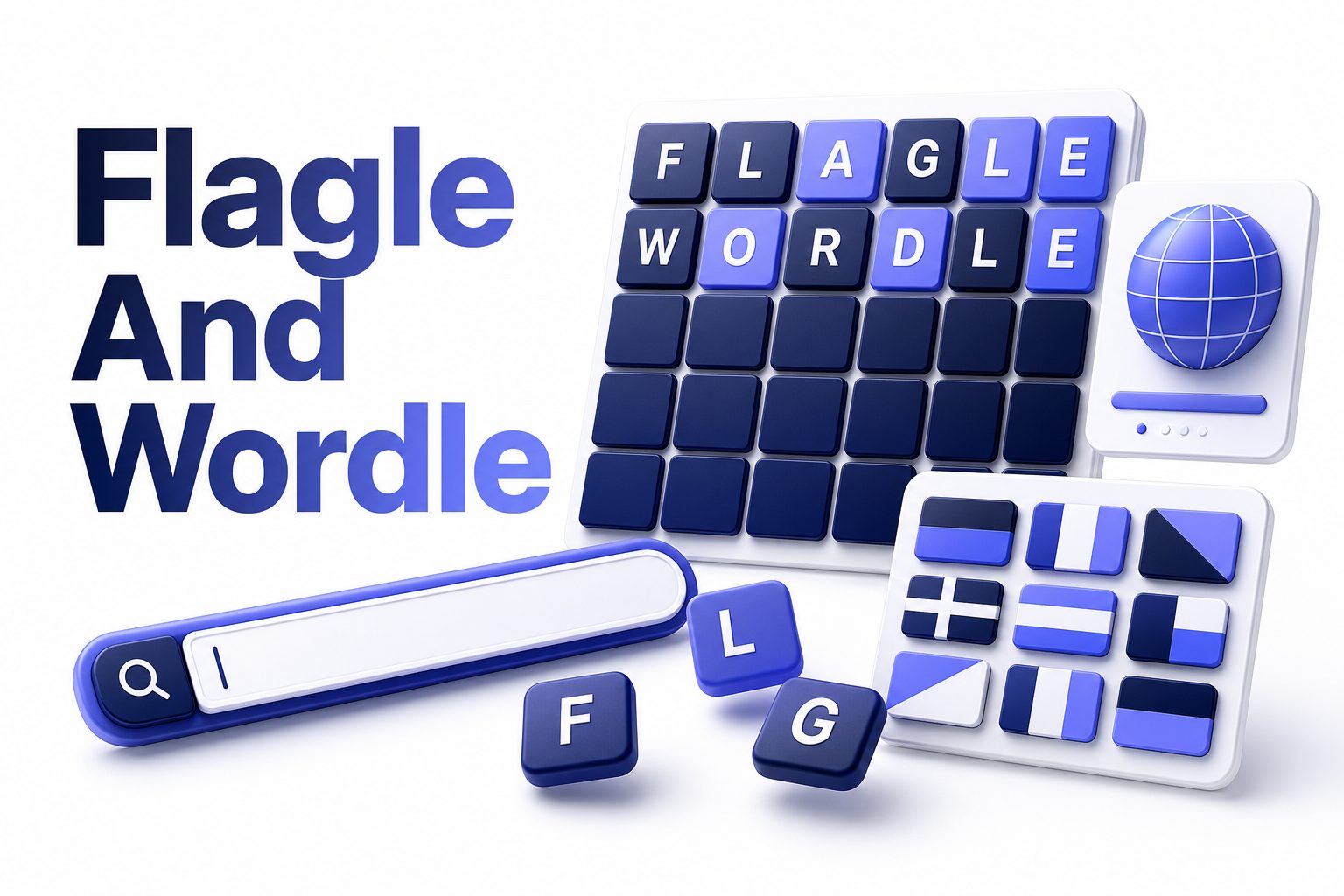
Daily puzzle games have become part of many online routines because they offer short, focused challenges without demanding long play sessions. Players can test memory, logic, vocabulary, and pattern recognition in only a few minutes each day.
Flagle and wordle appeal to different thinking styles while keeping the same daily-game energy. One leans toward geography and visual recognition, while the other rewards vocabulary, deduction, and careful letter placement across limited attempts.
For bloggers, educators, and casual players, these games are more than simple entertainment. They show how compact game design can create habits, spark conversations, and make learning feel natural without turning the experience into a formal lesson.
Daily Puzzle Culture
Daily puzzle games work because they respect the player’s time. A single round usually lasts a few minutes, making it easy to play during coffee breaks, commutes, study pauses, or quiet evening moments.
The daily limit also creates anticipation. Instead of endless levels, players return because there is one fresh challenge waiting. This simple rhythm makes the game feel valuable without overwhelming the user with constant content.
Social sharing has helped this culture grow. Players compare results, discuss hints, and talk about difficult rounds without revealing full answers. That shared experience gives small puzzles a surprisingly strong community feel.
Flagle and Wordle Basics
Flagle is a geography-based guessing game where players identify countries through flag clues. It trains visual memory, color recognition, and knowledge of national symbols, making each round feel both playful and informative.
Wordle focuses on guessing a five-letter word within limited attempts. Each guess gives feedback about correct letters and positions, pushing players to think logically while using vocabulary knowledge and elimination.
Both games rely on simple rules and fast feedback. The player always knows whether progress is being made, which keeps frustration low and encourages another thoughtful guess instead of random clicking.
Core Gameplay Differences
Flagle depends heavily on visual clues. Players notice colors, patterns, emblems, stripes, stars, or regional design styles. Someone familiar with world flags may recognize the answer quickly, while others improve gradually through repeated exposure.
Wordle uses letters as clues. A strong guess can reveal vowels, consonants, and possible word structures. The challenge comes from balancing familiar words with strategic guesses that provide useful information for the next attempt.
The key difference is the type of memory involved. Flagle rewards image-based recall and geography awareness, while Wordle rewards language sense, spelling habits, and logical narrowing. Together, they offer two useful mental workouts.
Why Players Enjoy Both Games
Players enjoy these games because they feel fair. The rules are easy to learn, the feedback is immediate, and every mistake usually teaches something useful for the next guess or the next day.
Another reason is emotional balance. A round can be exciting without becoming stressful. Winning feels satisfying, but losing rarely feels severe because the next challenge arrives tomorrow with a clean start.
Many players also enjoy routine. A daily puzzle can become a personal ritual, similar to reading headlines or checking a calendar. It gives the brain a small challenge before moving into work, study, or leisure.
Key Benefits for Regular Players
Regular play can support memory, attention, and general knowledge. The value comes from repeated small challenges rather than long sessions. Short daily effort often creates stronger habits than occasional intense practice.
- Better vocabulary through repeated Wordle guessing
- Stronger geography recall through Flagle rounds
- Improved pattern recognition across visual and text clues
- More patient decision-making under limited attempts
- A quick mental warm-up before daily work
These benefits are simple but meaningful. Players are not just passing time; they are practicing observation, reasoning, and recall in a low-pressure format that fits naturally into modern digital routines.
Smart Wordle Strategy
A good Wordle strategy starts with balanced opening words. Players often choose words with common vowels and consonants because early feedback matters. The first guess should create information, not simply chase a lucky answer.
After the first response, strong players avoid repeating clearly incorrect letters. They focus on testing new letters, confirming positions, and building possible word patterns. This turns every attempt into a useful step.
A useful guide for improving word choices can be found at /wordle-strategy-guide. Internal resources like this help readers move from casual guessing to more consistent play without making the game feel mechanical.
Smart Flagle Strategy
Flagle strategy begins with noticing broad visual features. Colors can point toward regions, historical connections, or common design traditions. Red, green, blue, white, stars, shields, and stripes can all provide useful clues.
Players should also learn regional flag patterns. Many African, European, Caribbean, and Middle Eastern flags share visual themes. Recognizing these families helps reduce random guessing and makes each round more informed.
The best approach is steady exposure. Looking at maps, flag charts, and daily country facts builds recognition over time. Flagle becomes easier when players connect flags with geography, culture, and national identity.
Shared Skills Between Both Games
Although the games look different, they share several mental skills. Both reward careful observation, controlled guessing, and the ability to adjust after feedback. Good players rarely rely on pure luck across multiple attempts.
Both games also teach elimination. In Wordle, letters disappear from consideration. In Flagle, countries become less likely based on color, symbol, or regional clues. Each clue reduces the space of possible answers.
This shared structure makes the games satisfying. The player begins with uncertainty, gathers evidence, and moves closer to the answer. That clean problem-solving loop is a major reason daily puzzles remain popular.
Common Mistakes to Avoid
One common mistake in Wordle is guessing emotionally after one bad result. Players may reuse poor letters or chase unlikely words. A calmer approach usually gives better information and protects later attempts.
In Flagle, many players focus only on color and ignore layout. Two flags may share the same colors but differ completely in pattern, symbol placement, or stripe direction. Details often decide the answer.
Another mistake is rushing. Since both games are short, players sometimes hurry through guesses. Taking a few extra seconds to review clues can turn a weak attempt into a much stronger choice.
Modern Blog Angle for Puzzle Content
Puzzle content performs well because it serves both search intent and reader curiosity. People look for strategies, comparisons, daily answers, rules, benefits, and beginner-friendly guidance. A focused blog can cover all these angles naturally.
A strong article should feel practical, not padded. Readers want useful examples, clean explanations, and honest advice. They do not need dramatic promises or forced wording that makes a simple topic feel unnatural.
Internal links also help when they match real reader needs. A page like /daily-word-games can support visitors who want more puzzle options after reading about flag-based and word-based challenges.
Educational Value
Flagle can support geography learning without feeling like a classroom test. Players see national symbols repeatedly, which helps recognition grow through memory and association. Over time, countries become easier to identify.
Wordle supports spelling awareness and vocabulary recall. Players think about letter frequency, word structure, and possible combinations. Even familiar words feel fresh when they must be rebuilt from limited clues.
Educators and parents can use both games as light learning tools. They work best as short activities, discussion starters, or warm-ups rather than heavy assignments. The fun should remain central to the experience.
Mobile and Casual Play Experience
Both games fit mobile habits well because they are quick and easy to control. A player can complete a round on a phone without needing advanced settings, long tutorials, or complex navigation.
The simple interface also matters. Clean visuals, clear feedback, and limited attempts reduce confusion. Players immediately know what happened after each guess, which keeps attention focused on the puzzle itself.
Casual play is part of the charm. People can enjoy one round without feeling behind other players. The daily format keeps everyone on the same schedule, creating a shared moment without demanding constant activity.
Community and Sharing
Wordle became widely known partly because of its shareable result grid. Players could show performance without spoiling the answer. That small design choice made the game highly social while protecting the puzzle.
Flagle has similar discussion potential. Players can talk about tricky flags, regional similarities, or surprising answers. Geography often leads to broader conversations about countries, travel, history, and culture.
Communities help keep simple games active. When players discuss strategies and daily results, the game becomes more than a private habit. It turns into a shared routine built around curiosity and friendly comparison.
Content Writing Tips for This Topic
A blog about these games should focus on reader value first. Explain the gameplay clearly, compare the experiences, and offer practical tips. Avoid stuffing the keyword into every section because that weakens readability.
Use headings that match search intent. Strategy, benefits, comparison, mistakes, and FAQs are all helpful because they answer common reader needs. Each section should give a clear point instead of repeating the same idea.
The tone should feel human and specific. Mention real player habits, daily routines, and practical decisions during gameplay. This makes the content more useful than a generic overview with empty promotional language.
Conclusion
Daily puzzle games remain popular because they are simple, fair, and easy to fit into real life. Players get a short mental challenge, quick feedback, and a satisfying reason to return the next day.
Flagle and wordle bring different strengths to the same daily puzzle habit. One builds geography recognition through flags, while the other sharpens vocabulary and logic through letter clues, giving players two distinct ways to think.
For content writers, this topic offers strong SEO potential when handled with clarity. A useful blog can guide beginners, support regular players, and show why compact puzzle games continue to hold attention.
FAQ
What makes Flagle different from Wordle?
Flagle is based on identifying countries through flag clues, while Wordle is based on guessing a five-letter word. Flagle uses visual recognition and geography knowledge, while Wordle uses vocabulary, spelling, and logical letter placement.
Is Wordle good for vocabulary practice?
Yes, Wordle can support vocabulary practice because players think carefully about letters, word patterns, and spelling. It is not a full language course, but it helps users engage with words in a focused daily format.
Can Flagle improve geography knowledge?
Flagle can improve geography awareness through repeated exposure to national flags. Players gradually learn colors, symbols, and regional patterns, which can make countries easier to remember during future rounds or casual learning.
Are daily puzzle games useful for adults?
Daily puzzle games can be useful for adults because they offer short mental practice without heavy time commitment. They encourage focus, memory, pattern recognition, and patient thinking in a simple and enjoyable way.
How often should someone play these games?
Playing once per day is enough for most people because both games are designed around daily challenges. The value comes from consistent short practice, not long sessions or repeated attempts throughout the day.
0 Comments